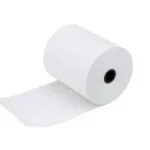
Thermal Printer Rolls Everything You Need to Know Before You Order
Look at any receipt, parking ticket or courier label and chances are it came off a thermal printer roll. These rolls power billing counters and warehouses every day, yet many buyers pick them without checking the details. This guide explains how thermal rolls work, which kind suits your printer and how to avoid the common buying mistakes.
How Does a Thermal Printer Roll Work?
A
thermal printer roll is paper treated with a special chemical layer that turns dark when heated. Inside the printer, a heated print head touches the paper and activates tiny dots in the pattern of your text, logo or barcode. Since there is no ink, toner or ribbon, the machine stays cleaner, quieter and simpler to maintain.
Main Kinds of Thermal Rolls
Receipt Rolls
These are the everyday rolls used in billing machines, card terminals and POS printers. They are made for short-term records such as sales slips and order tickets.
Label Rolls
Label rolls have a lining and a velcro back. They are used for shipping addresses, product barcodes, shelf prices and food labels.
Ticket and Tag Rolls
Thicker, tougher stock is used for queue tokens, event passes, luggage tags and parking tickets, where the paper must resist bending and handling.
Thermal Transfer Stock
Some printers use a ribbon to melt ink onto the material. Prints from this method last much longer, so it suits labels that must survive heat, moisture or years of storage.
Understanding Roll Size
Rolls are described by width, outer diameter and core size. A mismatch can stop the roll from fitting or feeding.
- Width: 57 mm and 80 mm are the most common for receipts.
- Outer diameter: Larger rolls hold more paper but need space in the printer compartment.
- Core size: The hollow center must match the printer's spindle.
- Length: Longer rolls mean fewer changes during busy periods.
Check your printer's manual or the label under the paper cover before you buy.
What Separates Good Rolls From Poor Ones?
- Even coating: A smooth chemical layer gives sharp, consistent print.
- Clean paper base: Low-dust paper protects the print head from residue.
- Tight winding: Loose rolls can jam or tear.
- Image stability: Better grades resist fading from light and heat.
- Safer coating: BPA-free options are available for staff who handle receipts all day.
Very cheap rolls may save money upfront, but they often print faintly and wear out the head faster.
Where Thermal Rolls Are Used
- Supermarkets, pharmacies and clothing stores
- Restaurants, cafes and takeaway counters
- Petrol stations and parking booths
- Banks and bill payment centers
- Courier, warehouse and e-commerce packing stations
- Hospitals, labs and clinics
Storage and Handling Advice
- Keep unopened rolls in a cool, dry and dark place.
- Avoid contact with heat sources, direct sunlight and moisture.
- Do not store near plastic wrap, sticky tape or solvents, as these can discolor the coating.
- Handle rolls by the edges to avoid fingerprints and oils.
- Rotate stock so older rolls are used first.
Keeping Your Printer Healthy
A little care goes a long way. Clean the print head gently with isopropyl alcohol on a lint-free swab, and let it dry before reloading. Remove dust and paper fragments from the feed path. If prints show white streaks or faded areas, clean the head before assuming the roll is faulty. The document will look blank if the printer temperature-sensitive face of paper isn't loaded towards the head of the printer.
Environmental Considerations
Because of the coating, most thermal paper cannot be recycled with ordinary office paper in many places. Check local waste guidelines and consider digital receipts where customers prefer them to reduce paper use.
Frequently Asked Questions (FAQs)
1. What is a thermal printer roll?
It is a roll of heat-sensitive paper that prints without the need for ink or toner when heated by a thermal printer head.
2. How can I tell which side is the printing side?
Run a fingernail across the paper. The heating side is the side that creates a dark line.
3. Why is my print coming out blank?
The roll may be loaded upside down, the paper may be non-thermal or the print head may be dirty or worn.
4. Why do thermal receipts fade?
Heat, light, friction and certain chemicals break down the coating. Lower grade paper fades sooner.
5. Can I use any roll size in my printer?
No. Match the width, outer diameter and core size to your printer's specifications.
6. How long can thermal rolls be stored?
Stored properly, unopened rolls usually remain usable for a year or more.
7. Are thermal rolls bad for the printer?
Quality rolls are safe. Poor paper with rough coating or excess dust can shorten print head life.
Final Thoughts
Choosing the right thermal printer roll means matching size, type and quality to your printer and daily workload. Buy from a reliable supplier, store the rolls carefully and clean your printer regularly for sharp prints and fewer breakdowns.