dotclinics
New member
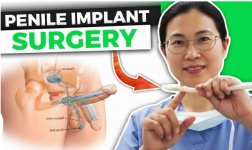
Penile implant surgery is an advanced medical procedure designed to treat erectile dysfunction (ED) in men who cannot achieve or maintain satisfactory erections through conventional treatments. It involves placing a specially designed medical device inside the penis to provide the firmness needed for sexual intercourse.
Erectile dysfunction is a common condition that can affect men of different ages. It may develop because of diabetes, poor blood circulation, nerve damage, hormonal problems, prostate surgery, or other medical conditions. While medications and lifestyle changes can help many patients, some men require more advanced treatment.
Penile implant surgery offers a long-term solution for appropriately selected patients. Modern implants are designed to be discreet, comfortable, and easy to operate. In this article, we discuss penile implant surgery, its types, procedure, benefits, possible risks, recovery, and expected results.
The implant helps create sufficient penile rigidity for sexual activity. Unlike oral ED medications, which work by improving blood flow, an implant provides mechanical support for an erection.
This procedure is generally recommended when other treatments, including medications, penile injections, and vacuum erection devices, have not provided satisfactory results.
A doctor may recommend this treatment for men who:
Penile Implant Surgery Brisbane | Dr Jack Crozier
Penile Implant — Dorothy Parker's Ashes
The patient activates the pump, which transfers fluid into the cylinders and makes the penis firm. After sexual activity, the device can be deflated using its release mechanism.
Main advantages:
The penis remains relatively firm, but the patient can manually position it upward for sexual activity and downward when not needed.
Main advantages:
The general surgical process includes:
1. Medical Assessment: The doctor evaluates erectile dysfunction, reviews medical history, and performs necessary examinations and tests.
2. Anesthesia: General or regional anesthesia is administered to prevent pain during surgery.
3. Surgical Incision: The surgeon makes an incision at an appropriate location to access the erectile chambers.
4. Implant Placement: The implant cylinders or flexible rods are carefully inserted into the penis. Additional components, including the pump and reservoir, are positioned when required.
5. Device Testing: The surgeon checks the implant to ensure proper positioning and functionality.
6. Closing the Incision: The surgical wound is closed, and the patient is monitored during recovery.
Most patients can return home the same day or after a short hospital stay, depending on their medical condition.
Infection: Infection around the implant may require antibiotic treatment or, in severe cases, device removal.
Pain and Swelling: Some pain, bruising, and swelling are expected during the initial recovery period.
Mechanical Failure: Inflatable devices may develop problems involving the pump, cylinders, or fluid reservoir.
Implant Erosion: In rare cases, the implant may damage surrounding tissues.
Changes in Penile Appearance: Some patients may feel their penis appears shorter after surgery. Penile implants restore rigidity rather than increase natural penile length.
Discussing these complications with a qualified urologist before surgery is essential.
During the first few days, mild pain, swelling, and bruising may occur. These symptoms generally improve gradually.
Doctors commonly recommend:
Patients with inflatable implants may also receive training on operating the device after healing.
Most patients can retain their ability to experience orgasm and sexual pleasure, provided these functions were not affected by other medical conditions.
The implant also does not directly control ejaculation. However, previous prostate surgery, nerve damage, and other health conditions may affect ejaculation and sexual response.
Some implants function successfully for many years, while others may eventually require revision or replacement because of mechanical failure or complications.
Regular follow-up appointments help monitor the implant and identify potential problems.
It is a long-term treatment, but the device may eventually require replacement or revision.
2. Is penile implant surgery painful?
The operation is performed under anesthesia. Some pain and swelling after surgery are normal and usually improve during recovery.
3. Can penile implant surgery increase penis size?
No. The procedure restores penile rigidity and is not designed to increase penis length or girth.
4. Can I have normal intercourse after surgery?
Yes. Most patients can resume sexual intercourse after healing and receiving approval from their surgeon.
5. Is penile implant surgery suitable for diabetic men?
Yes, some diabetic men are suitable candidates. However, good blood sugar control is important to reduce infection risks.
6. How long does recovery take?
Initial recovery generally takes several weeks. Sexual activity is commonly resumed after approximately six weeks, depending on healing.
Although the procedure offers long-term benefits, patients should understand the possible complications, recovery requirements, and realistic treatment outcomes before making a decision. Consulting an experienced urologist is essential for selecting the appropriate implant and achieving satisfactory results.
Medical Disclaimer: This article is intended for educational purposes only and does not replace professional medical advice, diagnosis, or treatment. Always consult a qualified urologist before considering penile implant surgery.
Erectile dysfunction is a common condition that can affect men of different ages. It may develop because of diabetes, poor blood circulation, nerve damage, hormonal problems, prostate surgery, or other medical conditions. While medications and lifestyle changes can help many patients, some men require more advanced treatment.
Penile implant surgery offers a long-term solution for appropriately selected patients. Modern implants are designed to be discreet, comfortable, and easy to operate. In this article, we discuss penile implant surgery, its types, procedure, benefits, possible risks, recovery, and expected results.
What Is Penile Implant Surgery?
Penile implant surgery, also called penile prosthesis implantation, is a surgical treatment for men with persistent erectile dysfunction. During the procedure, a medical device is inserted into the two erectile chambers of the penis, known as the corpora cavernosa.The implant helps create sufficient penile rigidity for sexual activity. Unlike oral ED medications, which work by improving blood flow, an implant provides mechanical support for an erection.
This procedure is generally recommended when other treatments, including medications, penile injections, and vacuum erection devices, have not provided satisfactory results.
Who Can Benefit from Penile Implant Surgery?
Penile implant surgery may be appropriate for men experiencing severe erectile dysfunction that significantly affects their quality of life.A doctor may recommend this treatment for men who:
- Have persistent erectile dysfunction despite medication.
- Experience ED due to diabetes or cardiovascular disease.
- Develop erection problems after prostate surgery.
- Have nerve damage affecting erectile function.
- Have experienced pelvic injuries.
- Have Peyronie's disease alongside erectile dysfunction.
- Cannot use conventional ED treatments.
- Prefer a long-term treatment option after understanding its benefits and risks.
Types of Penile Implants
There are two major types of penile implants: inflatable and malleable. Both are designed to help men achieve sufficient firmness for sexual intercourse.Penile Implant Surgery Brisbane | Dr Jack Crozier
Penile Implant — Dorothy Parker's Ashes
1. Inflatable Penile Implant
An inflatable penile implant is designed to provide a more natural erection experience. It usually consists of inflatable cylinders, a pump, and a fluid reservoir.The patient activates the pump, which transfers fluid into the cylinders and makes the penis firm. After sexual activity, the device can be deflated using its release mechanism.
Main advantages:
- Provides controlled erections.
- Offers a more natural flaccid appearance when deflated.
- Allows patients to control erection timing.
- Does not require ED medication for activation.
2. Malleable Penile Implant
A malleable penile implant consists of two flexible rods placed inside the erectile chambers of the penis.The penis remains relatively firm, but the patient can manually position it upward for sexual activity and downward when not needed.
Main advantages:
- Simple mechanical design.
- Easy to operate.
- No pump or reservoir required.
- Suitable for some patients with limited hand strength.
- Fewer mechanical components.
How Is Penile Implant Surgery Performed?
Penile implant surgery is performed by an experienced urologist in a hospital or specialized surgical facility. The procedure usually takes one to two hours, depending on the implant type and the patient's condition.The general surgical process includes:
1. Medical Assessment: The doctor evaluates erectile dysfunction, reviews medical history, and performs necessary examinations and tests.
2. Anesthesia: General or regional anesthesia is administered to prevent pain during surgery.
3. Surgical Incision: The surgeon makes an incision at an appropriate location to access the erectile chambers.
4. Implant Placement: The implant cylinders or flexible rods are carefully inserted into the penis. Additional components, including the pump and reservoir, are positioned when required.
5. Device Testing: The surgeon checks the implant to ensure proper positioning and functionality.
6. Closing the Incision: The surgical wound is closed, and the patient is monitored during recovery.
Most patients can return home the same day or after a short hospital stay, depending on their medical condition.
Benefits of Penile Implant Surgery
Penile implant surgery offers several advantages for men with severe erectile dysfunction.- Improved erectile function: Helps achieve sufficient firmness for penetrative sexual intercourse.
- Long-term treatment: Provides a durable mechanical solution for ED.
- Better confidence: Successful treatment may improve sexual confidence and emotional well-being.
- Greater control: Inflatable devices allow patients to control when they achieve and end an erection.
- Reduced medication dependence: Patients generally do not need ED medications to produce erections after successful implantation.
- High satisfaction: Clinical studies report high patient satisfaction among appropriately selected candidates.
Risks and Possible Complications
Although penile implant surgery is an established treatment, it involves certain surgical risks.Infection: Infection around the implant may require antibiotic treatment or, in severe cases, device removal.
Pain and Swelling: Some pain, bruising, and swelling are expected during the initial recovery period.
Mechanical Failure: Inflatable devices may develop problems involving the pump, cylinders, or fluid reservoir.
Implant Erosion: In rare cases, the implant may damage surrounding tissues.
Changes in Penile Appearance: Some patients may feel their penis appears shorter after surgery. Penile implants restore rigidity rather than increase natural penile length.
Discussing these complications with a qualified urologist before surgery is essential.
Recovery After Penile Implant Surgery
Recovery is an important part of achieving satisfactory surgical results. Most patients need several weeks to heal properly.During the first few days, mild pain, swelling, and bruising may occur. These symptoms generally improve gradually.
Doctors commonly recommend:
- Taking prescribed medications.
- Getting adequate rest.
- Keeping the surgical area clean.
- Avoiding strenuous exercise and heavy lifting.
- Following wound-care instructions.
- Attending postoperative appointments.
Patients with inflatable implants may also receive training on operating the device after healing.
Does a Penile Implant Affect Sexual Pleasure?
A penile implant helps restore the mechanical ability to achieve an erection. It does not directly increase sexual desire or sensitivity.Most patients can retain their ability to experience orgasm and sexual pleasure, provided these functions were not affected by other medical conditions.
The implant also does not directly control ejaculation. However, previous prostate surgery, nerve damage, and other health conditions may affect ejaculation and sexual response.
How Long Does a Penile Implant Last?
A penile implant is designed for long-term use, but it does not last forever. Its lifespan depends on the device, patient health, and mechanical durability.Some implants function successfully for many years, while others may eventually require revision or replacement because of mechanical failure or complications.
Regular follow-up appointments help monitor the implant and identify potential problems.
Frequently Asked Questions
1. Is penile implant surgery permanent?It is a long-term treatment, but the device may eventually require replacement or revision.
2. Is penile implant surgery painful?
The operation is performed under anesthesia. Some pain and swelling after surgery are normal and usually improve during recovery.
3. Can penile implant surgery increase penis size?
No. The procedure restores penile rigidity and is not designed to increase penis length or girth.
4. Can I have normal intercourse after surgery?
Yes. Most patients can resume sexual intercourse after healing and receiving approval from their surgeon.
5. Is penile implant surgery suitable for diabetic men?
Yes, some diabetic men are suitable candidates. However, good blood sugar control is important to reduce infection risks.
6. How long does recovery take?
Initial recovery generally takes several weeks. Sexual activity is commonly resumed after approximately six weeks, depending on healing.
Conclusion
Penile implant surgery is an effective and established treatment option for men with severe erectile dysfunction who do not achieve satisfactory results with conventional treatments. Modern inflatable and malleable implants provide different options to restore penile rigidity and improve sexual function.Although the procedure offers long-term benefits, patients should understand the possible complications, recovery requirements, and realistic treatment outcomes before making a decision. Consulting an experienced urologist is essential for selecting the appropriate implant and achieving satisfactory results.
Medical Disclaimer: This article is intended for educational purposes only and does not replace professional medical advice, diagnosis, or treatment. Always consult a qualified urologist before considering penile implant surgery.